


Typical AC lifespan in Southern California
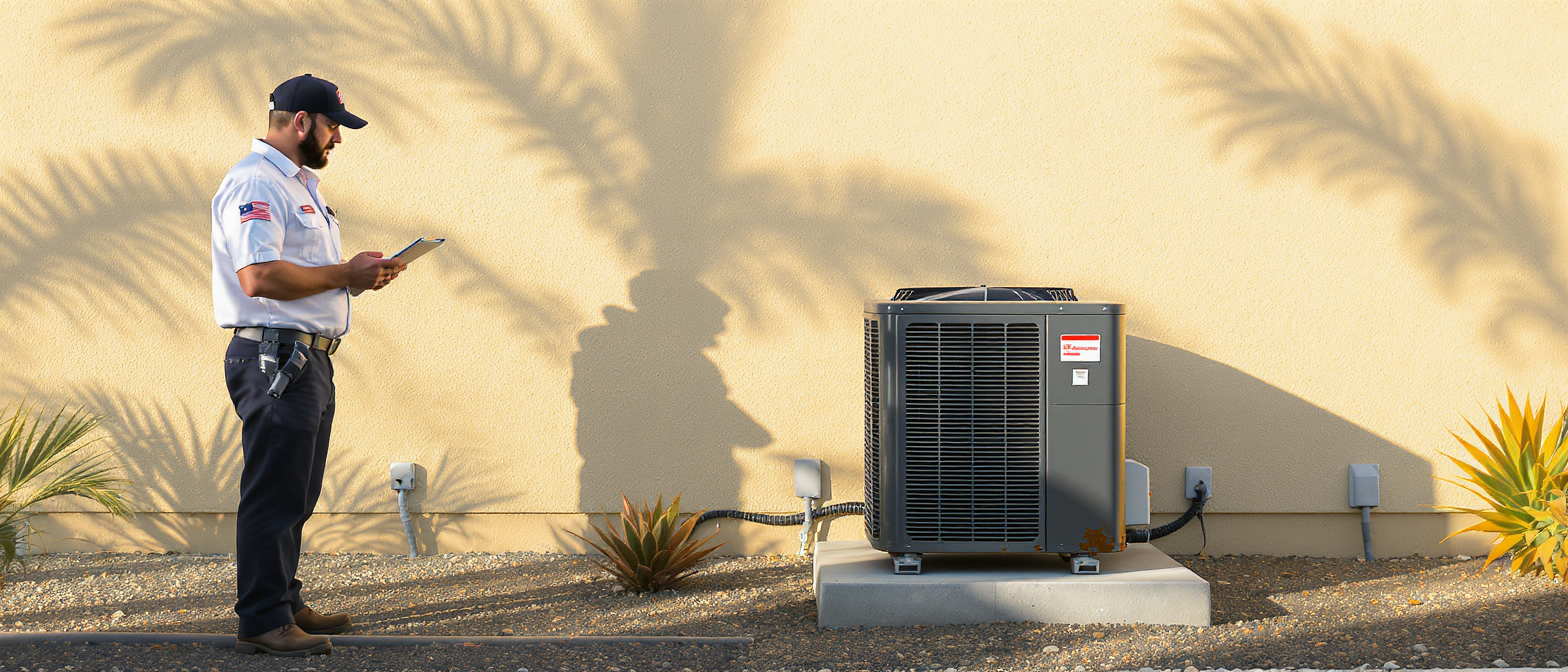
What is the typical AC lifespan in Southern California?
Across the U.S., most central air conditioners and heat pumps last about 10–15 years. In Southern California’s mild-but-demanding climate, a well-installed, well-maintained system can often reach 12–20 years, while equipment exposed to harsher conditions may retire sooner. Coastal homes can see 8–14 years due to salt-air corrosion, whereas inland neighborhoods that run cooling longer can expect 12–18 years. Commercial rooftop package units frequently land around 10–15 years because of continuous runtime and exposure. High-quality inverter systems and mini-splits, when properly sized and maintained, can push toward the upper end of these ranges.
Always remember: life expectancy depends on installation quality, sizing, ductwork, maintenance, runtime hours, electrical conditions, and environment. A careful evaluation of your specific site usually tells the clearest story.
Key local factors that affect lifespan
Microclimates: coast, basin, and inland valleys
Southern California is a patchwork of microclimates. Coastal zones face salt-laden air and marine layer moisture that speed up condenser coil and cabinet corrosion. Basin areas get warm days and cooler nights that cause frequent cycling if the system is oversized. Inland valleys and desert edges see extended heat waves that push compressors hard for many hours, especially during peak afternoons. Santa Ana winds add dust, and wildfire smoke can load filters and evaporator coils with fine particulates.
Usage patterns and sizing
Long cooling seasons, low thermostat setpoints, and frequent door openings mean more runtime. Undersized equipment struggles continuously; oversized units short-cycle, which is tough on compressors and contactors. Proper Manual J load calculations, sealed and balanced ductwork, and correct airflow (static pressure) are critical to longevity.
Equipment type and build
Variable-speed inverter systems and modern mini-splits manage temperature with fewer hard starts, which reduces stress on capacitors and compressors. Traditional single-stage units are durable but cycle more. Rooftop package units see extra heat, UV, and foot traffic, which can shorten service life compared to shaded, ground-level condensers. Heat pumps can last as long as straight-cool systems here, thanks to the mild heating season, provided defrost controls and condensate management are maintained.
Installation quality and refrigerant considerations
Correct refrigerant charge, clean brazing with nitrogen purge, tight line-set connections, proper evacuation, and attention to manufacturer specs set the foundation for years of service. Many legacy systems use R-22 (now phased out); most recent units use R-410A, and new models are transitioning to A2L refrigerants such as R-32 or R-454B. The refrigerant itself doesn’t determine lifespan, but correct handling does. Note that insurance companies and local codes may require that a licensed HVAC professional perform refrigerant work to maintain compliance and coverage.
Typical lifespan by application
- Residential split systems (central AC or heat pump): 12–18 years, with 15 years a common target under good care.
- Mini-split inverter systems: 12–20 years; longer when kept clean and correctly sized.
- Rooftop package units (residential light commercial): 10–15 years due to sun, heat, and vibration.
- Commercial VRF/VRV systems: 12–20 years; maintenance discipline is everything.
Maintenance timeline for SoCal conditions
- Monthly to bi-monthly: Check or replace filters (MERV 8–13 depending on equipment and IAQ goals). During wildfire smoke events, check more often.
- Quarterly: Visually inspect outdoor condenser coils; remove debris, leaves, and dust. Keep 2–3 feet of clearance and avoid enclosing the unit too tightly, even when providing shade.
- Annually (professional): Full tune-up with coil cleaning, electrical testing (capacitor, contactor), refrigerant evaluation, drain line service, airflow and static pressure check, ductwork inspection, thermostat calibration, and safety controls verification.
- Every 2–3 years: Deep coil cleaning, confirm line-set insulation, and inspect for corrosion. Coastal homes benefit from protective coil coatings and regular rinses.
- Electrical protection: Consider surge protection to guard electronics from grid fluctuations and summer brownouts.
DIY cleaning can help with yard debris and filters, but opening equipment, handling refrigerant, or working on high-voltage components is hazardous. In addition, many warranties and insurance policies require service by qualified, licensed technicians.
Repair or replace: a practical decision guide
- Age and condition: A compressor, evaporator coil, or condenser coil failure after 12–15 years often tips the scale toward replacement.
- Efficiency: Upgrading from older SEER or early SEER2 units to high-efficiency inverter models can cut energy costs, reduce noise, and improve comfort.
- Refrigerant and code: Systems using discontinued refrigerants or failing to meet current Title 24 requirements may be more cost-effective to replace.
- Operating cost vs. repair cost: A common rule of thumb is to consider replacement when a repair approaches 30–40% of the cost of a new, properly sized system.
- IAQ and ventilation: If you’re addressing wildfire smoke, ventilation, or filtration (e.g., MERV 13), a system update with better fan control and duct upgrades can support healthier air.
How to make an AC last longer in Southern California
- Keep vegetation trimmed around the condenser; allow full airflow.
- Use quality filters and change them more frequently during heat waves or smoke events.
- Seal and insulate ducts; leaky ducts force longer runtimes and shorten lifespan.
- Right-size the system with Manual J and verify airflow; avoid chronic short cycling.
- Set realistic cooling targets (for many homes, 76–78°F). Avoid rapid setpoint swings.
- Flush condensate lines annually; a clogged drain can damage indoor components.
- Plan proactive part replacements for known wear items like capacitors and contactors.
Residential vs. commercial realities
Residential systems benefit from controlled surroundings and steady runtime. Commercial rooftop units face UV, foot traffic, and cooking exhaust near restaurants, which demand more frequent service. VRF systems can last a long time when filters, coils, and controls are kept clean and firmware is updated per manufacturer guidance. In both cases, consistent documentation and licensed maintenance help protect warranties and insurance coverage.
Service area and who we are
#1 AC Guys is a family-owned HVAC team based in Southern California. We serve Los Angeles County and nearby areas, including Orange County, Ventura County, and Western Riverside County. Typical cities we visit include Los Angeles, Long Beach, Santa Monica, Pasadena, Glendale, Burbank, Irvine, Anaheim, Costa Mesa, Huntington Beach, Santa Clarita, Thousand Oaks, Ventura, Oxnard, Simi Valley, Riverside, Corona, Temecula, and Murrieta.
We specialize in residential and commercial projects—especially large and complex designs—and our mission is healthy indoor air for healthy living. Our fourth-generation family of engineers brings 80+ years of engineering experience to modern HVAC design and commissioning. Our team has received factory training at manufacturers’ facilities including Fujitsu (Japan), Mitsubishi Electric (Thailand), Midea (China), Gree (China), and Haier (China).
Quick FAQ
How long do mini-splits last here?
Often 12–20 years. Their inverter technology reduces hard starts, which can extend compressor life when kept clean and properly sized.
Do heat pumps wear out faster than straight-cool?
Not typically in Southern California. Mild winters limit heating strain, so heat pumps can match central AC longevity.
Does coastal salt air really shorten life?
Yes. Salt accelerates corrosion. Rinsing coils, using protective coatings, and scheduling regular maintenance help mitigate damage.
Will better ducts extend lifespan?
Yes. Tight, insulated ductwork lowers runtime, stabilizes airflow, and reduces stress on the system.
Is DIY refrigerant work okay?
No. It’s unsafe and may violate code or insurance rules. Many policies require licensed technicians for refrigerant handling and system alterations.
What are signs it’s time to replace?
Repeated breakdowns, major component failures after 12–15 years, rising energy bills, poor comfort, or equipment that no longer meets efficiency or Title 24 standards.
Yasmine is currently an Associate Professor of Psychology at Mount Saint Mary College where she teaches a wide array of courses in the Psychology department. She is a Fulbright Scholar spent a year working at the Medical Decision Making Center at Ono Academic College in Israel.
Yet, as many higher education professionals can surely attest to, I have also witnessed the other challenge in group decision making. In academia, engaging in critical dissent is encouraged (reviewed by Jetten & Hornsey, 2014), and while this is a fine attribute, practically,

