


AC financing options in Southern California
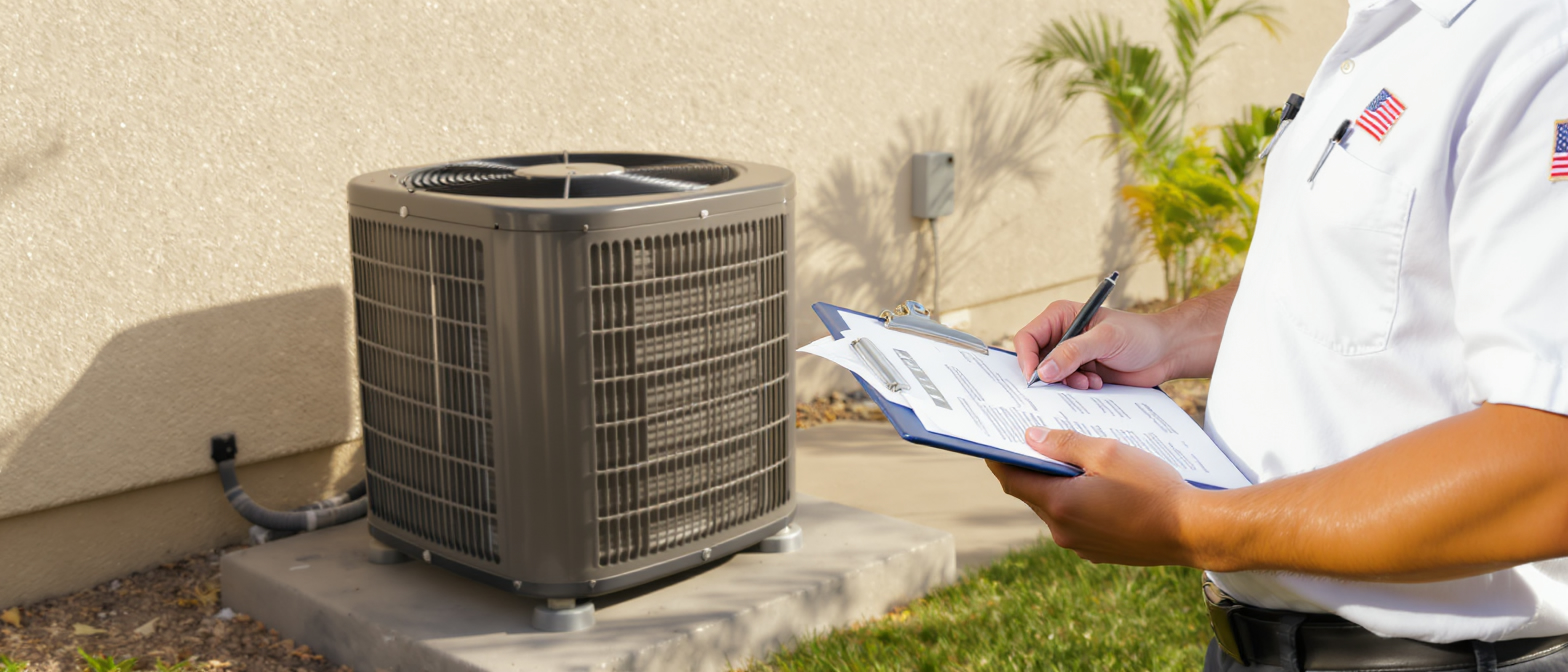
AC financing options in Southern California
Replacing or upgrading an air conditioner is a major expense in Southern California, where long cooling seasons make comfort and efficiency essential. Smart HVAC financing can spread costs over time while you pursue utility rebates and federal tax credits. Because AC work touches electrical, refrigerant, and building code requirements, many steps are not DIY-friendly. In fact, insurers and rebate programs often require permits and licensed, qualified installers.
What shapes your monthly payment
- System type and size: central AC, heat pump, or ductless mini-split; tonnage and zoning needs.
- Efficiency level: higher SEER2/HSPF2 cuts bills but can raise equipment price.
- Home scope: duct repair or redesign, electrical panel upgrades, condensate management, and pad/curb work.
- Permits and code: Title 24 compliance and HERS testing are standard in Southern California.
- Rebates and tax credits: incentives can reduce the financed amount if applied at sale or as post-install offsets.
Popular HVAC financing paths
1) Manufacturer and dealer promotions
Well-known brands sometimes offer seasonal 0% APR promos or low fixed APR loans through approved dealers. For example, programs tied to Mitsubishi Electric and Fujitsu may provide same-as-cash windows on approved credit. Terms vary and usually require timely installation and documentation.
2) Specialized HVAC installment loans
Fixed-rate loans through HVAC financing partners offer predictable payments from 24 to 120 months. These can fund full system replacements, heat pump conversions, ductless mini-splits, and code-required upgrades.
3) Deferred interest and same-as-cash
Short promotional periods (e.g., 6–18 months) can eliminate interest if the balance is paid in full by the deadline. Miss the date and the standard APR applies retroactively, so read the fine print.
4) Credit cards
Useful for smaller add-ons or bridging a rebate. Consider introductory APR offers and your utilization rate to protect your credit score.
5) HELOC or home equity loan
Home equity can deliver lower rates and longer terms, and in some cases interest may be tax deductible. These products require underwriting and can include closing costs and lien considerations.
6) PACE financing
Property Assessed Clean Energy financing may be available in parts of Los Angeles County, Orange County, Ventura County, and Western Riverside County. PACE ties repayment to property taxes, not personal credit, and typically requires permitted, code-compliant work by approved contractors. Because it places a lien on the property, talk to your lender and insurer first.
Stacking incentives: rebates and tax credits
- Federal tax credits (Inflation Reduction Act, Section 25C): up to 30% of eligible costs with caps, including up to $2,000 for qualified heat pumps. Central ACs may qualify under separate caps. Consult a tax professional.
- Utility rebates: SCE, LADWP, Burbank Water and Power, Glendale Water & Power, Pasadena Water & Power, and SoCalGas offer programs that may cover heat pumps, high-efficiency AC, smart thermostats, and duct sealing. Amounts and rules change frequently.
- California market incentives: Initiatives like TECH Clean California channel contractor-based incentives for heat pump installations that can be passed to homeowners.
Incentives often require permits, HERS verification, and licensed installation. DIY or unpermitted work can void eligibility and may affect insurance coverage.
Safety, insurance, and compliance
HVAC projects involve electrical circuits, refrigerants, structural supports, and combustion safety (if a furnace is part of the system). Incorrect work can cause leaks, fire hazards, or poor indoor air quality. Many insurance policies and warranty terms require that a licensed, insured professional perform the work and that final inspections are passed. Financing providers and PACE administrators also expect code compliance and complete documentation.
How to strengthen your financing application
- Know your budget: total project cost, desired term, and acceptable monthly payment.
- Check your credit: correct errors, reduce utilization, and gather income proof.
- Document the scope: equipment model, SEER2/HSPF2 ratings, duct and electrical work, and permit plan.
- Plan incentive timing: confirm whether rebates are instant or post-install and how that affects loan amount.
Which option fits which situation
- Short-term, high credit: deferred interest or 0% promos for smaller gaps.
- Stable payments: fixed-rate HVAC installment loans over 5–10 years.
- Large projects or multi-zone mini-splits: HELOC/home equity or PACE where available.
- Bridge to incentives: low-APR cards or short-term promos paid off when rebates arrive.
Service area and background
#1 AC Guys is a fourth-generation family of engineers with 80+ years of engineering expertise, serving Los Angeles County and nearby areas including Orange County, Ventura County, and Western Riverside County. We handle residential and commercial work, especially large and complex projects. Our mission is healthy air at home for a healthy life. Our engineering team trained at the factories of Fujitsu (Japan), Mitsubishi Electric (Thailand), Midea (China), Gree (China), and Haier (China). Cities we serve include Los Angeles, Long Beach, Santa Monica, Pasadena, Glendale, Burbank, Anaheim, Irvine, Santa Ana, Costa Mesa, Huntington Beach, Thousand Oaks, Oxnard, Ventura, Simi Valley, and Western Riverside communities.
FAQs
Can I finance a ductless mini-split?
Yes. Mini-splits are often eligible for HVAC financing, and many qualify for utility rebates or tax credits when they meet efficiency thresholds.
Can I combine rebates with financing?
Usually. Some rebates are instant and reduce your financed amount; others pay after installation and can be applied toward your balance.
Does financing cover permits and HERS testing?
It typically can. Lenders and PACE programs expect permitted, code-compliant installations that pass inspection.
Is DIY allowed if I just need a quick fix?
DIY on refrigerants, electrical, or structural changes is risky and can void warranties, rebates, and insurance. Licensed, qualified work protects safety and eligibility.
Yasmine is currently an Associate Professor of Psychology at Mount Saint Mary College where she teaches a wide array of courses in the Psychology department. She is a Fulbright Scholar spent a year working at the Medical Decision Making Center at Ono Academic College in Israel.
Yet, as many higher education professionals can surely attest to, I have also witnessed the other challenge in group decision making. In academia, engaging in critical dissent is encouraged (reviewed by Jetten & Hornsey, 2014), and while this is a fine attribute, practically,

