


Risks of Skipping Preventative AC Maintenance
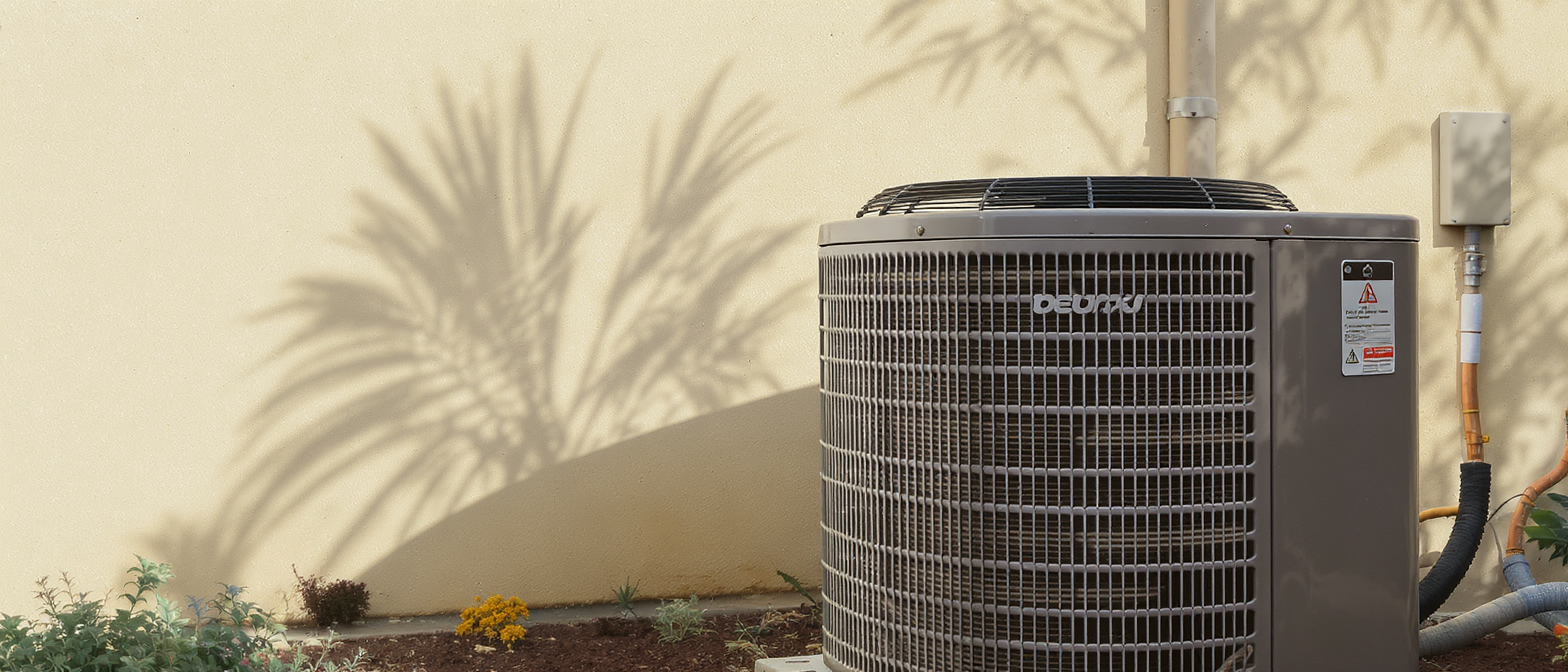
Why skipping preventative AC maintenance is risky
Preventative AC maintenance sounds optional until a heat wave exposes what was quietly failing. Skipping air conditioner maintenance drives up energy bills, shortens equipment life, and raises safety and liability concerns. This guide explains HVAC maintenance risks, what actually fails without routine care, how insurance requirements and warranty coverage come into play, and what a thorough tune-up should include.
Hidden costs when you skip preventative AC maintenance
- Higher energy use: Dirty coils, improper refrigerant charge, and airflow restrictions can increase consumption by 10–30%, eroding energy efficiency and comfort.
- Shorter lifespan: Heat and electrical stress accelerate wear on compressors and fan motors, increasing the chance of premature compressor failure.
- Emergency breakdowns: Neglected parts fail during peak loads, when repair wait times and costs are highest.
- Indoor air quality risks: Clogged filters and drains, wet coils, and duct leakage can circulate dust, mold spores, and wildfire smoke particles.
- Warranty and insurance complications: Many manufacturers and insurers expect documented annual service. If you can’t show maintenance by a qualified HVAC specialist, you may lose warranty coverage and face denied insurance claims.
- Bigger repairs later: Small issues like weak capacitors or minor refrigerant leaks snowball into major component failures.
What actually fails when maintenance is skipped
Refrigerant charge and leaks
Even a small leak or an incorrect charge changes superheat and subcooling, leading to coil icing, poor cooling, and compressor overheating. Refrigerant handling is regulated and often requires licensed technicians; DIY attempts can void warranties and create safety hazards. Uncorrected refrigerant leaks also degrade indoor air quality and system reliability.
Coil fouling and airflow
Outdoor condenser fins clog with lint and dust, while indoor evaporator coils accumulate biofilm. Restricted airflow raises head pressure, forcing longer cycles and increasing the risk of compressor failure. Proper coil cleaning restores heat transfer and lowers energy use.
Electrical components
Contactors pit, capacitors drift out of spec, and loose lugs overheat. These electrical components cause hard starts, nuisance trips, or motor burnout, and in severe cases present fire risk. Routine testing and tightening prevents cascading failures.
Condensate management and biological growth
Blocked drains overflow into ceilings or closets, damaging finishes and attracting mold. A simple flush, trap inspection, and float switch test during preventative AC maintenance can avert costly water damage claims.
Duct leakage and filtration
Leaky ducts pull hot attic air and particulates into the supply stream, reducing comfort and spreading dust. In Southern California, duct leakage worsens exposure to wildfire smoke. Correct sealing and the right filter (MERV rating chosen to protect airflow) safeguard indoor air quality.
Safety, code, and insurance considerations
Many warranties, home policies, and commercial insurers require routine maintenance and documentation. Insurance requirements frequently specify licensed, qualified HVAC specialist service. Work on electrical circuits and refrigerant systems without proper training risks injury, code violations, and denied claims. In commercial buildings, maintenance records also support mechanical and energy code compliance.
Southern California realities that increase risk
- Long cooling season and heat waves stress compressors and capacitors.
- Coastal salt air promotes corrosion on outdoor coils and electrical terminals.
- Desert dust and wildfire smoke rapidly foul filters and coils, harming indoor air quality.
- Voltage sags during peak demand exacerbate hard starts, making preventive checks of electrical components critical.
What a thorough preventative AC maintenance includes
- Measure temperature split, static pressure, and confirm target airflow.
- Coil cleaning for evaporator and condenser; straighten fins as needed.
- Refrigerant diagnostics: superheat/subcooling, sight for refrigerant leaks, and performance trends.
- Electrical testing: capacitors, contactors, relays, amp draw, and tightening of lugs.
- Thermostat calibration and control verification, including zoning and communication checks.
- Condensate drain flush, trap inspection, float switch test, and pan treatment.
- Filter replacement with appropriate MERV rating to balance capture efficiency and airflow.
- Duct inspection for leakage, damaged insulation, and connection integrity.
- Fan and blower assessment: wheel cleaning, motor bearings, belt tension if applicable.
- Safety checks: overloads, disconnects, clearances, and proper refrigerant line insulation.
- Documentation with photos and measurements to support warranty coverage and insurance requirements.
Signs you are overdue
- Longer run times, uneven room temperatures, or humidity that feels sticky.
- Energy bills creeping up without a weather-related reason.
- Musty odors at startup or visible dust on vents.
- Water near the air handler, gurgling drains, or a tripped float switch.
- Rattling or humming on startup, or lights dimming when the unit kicks on.
- Frost on refrigerant lines or the outdoor unit during cooling.
Who we are
#1 AC Guys is a family business in Los Angeles, Southern California. Our family of engineers is now in the 4th generation with 80+ years of engineering experience. We specialize in commercial and residential work, especially large and complex projects. Our engineers trained at the manufacturers’ factories: Fujitsu (Japan), Mitsubishi Elektrik (Thailand), Midea (China), Gree (China), and Hier (China). Our mission is healthy air at home for a healthy life.
Service area: Los Angeles County and nearby regions including Orange County, Ventura County, and Western Riverside County. We frequently serve Los Angeles, Pasadena, Glendale, Burbank, Santa Monica, Long Beach, Torrance, Anaheim, Irvine, Santa Ana, Fullerton, Huntington Beach, Newport Beach, Thousand Oaks, Oxnard, Ventura, Riverside, Corona, and surrounding communities.
Bottom line
Preventative AC maintenance is not a luxury; it is a safety, reliability, and indoor air quality safeguard. Skipping it invites higher costs, compressor failure, poor comfort, and potential warranty and insurance problems. Many insurers expect work documented by a qualified HVAC specialist. Plan maintenance before peak season to lower risk and protect your home or business.
Yasmine is currently an Associate Professor of Psychology at Mount Saint Mary College where she teaches a wide array of courses in the Psychology department. She is a Fulbright Scholar spent a year working at the Medical Decision Making Center at Ono Academic College in Israel.
Yet, as many higher education professionals can surely attest to, I have also witnessed the other challenge in group decision making. In academia, engaging in critical dissent is encouraged (reviewed by Jetten & Hornsey, 2014), and while this is a fine attribute, practically,

