


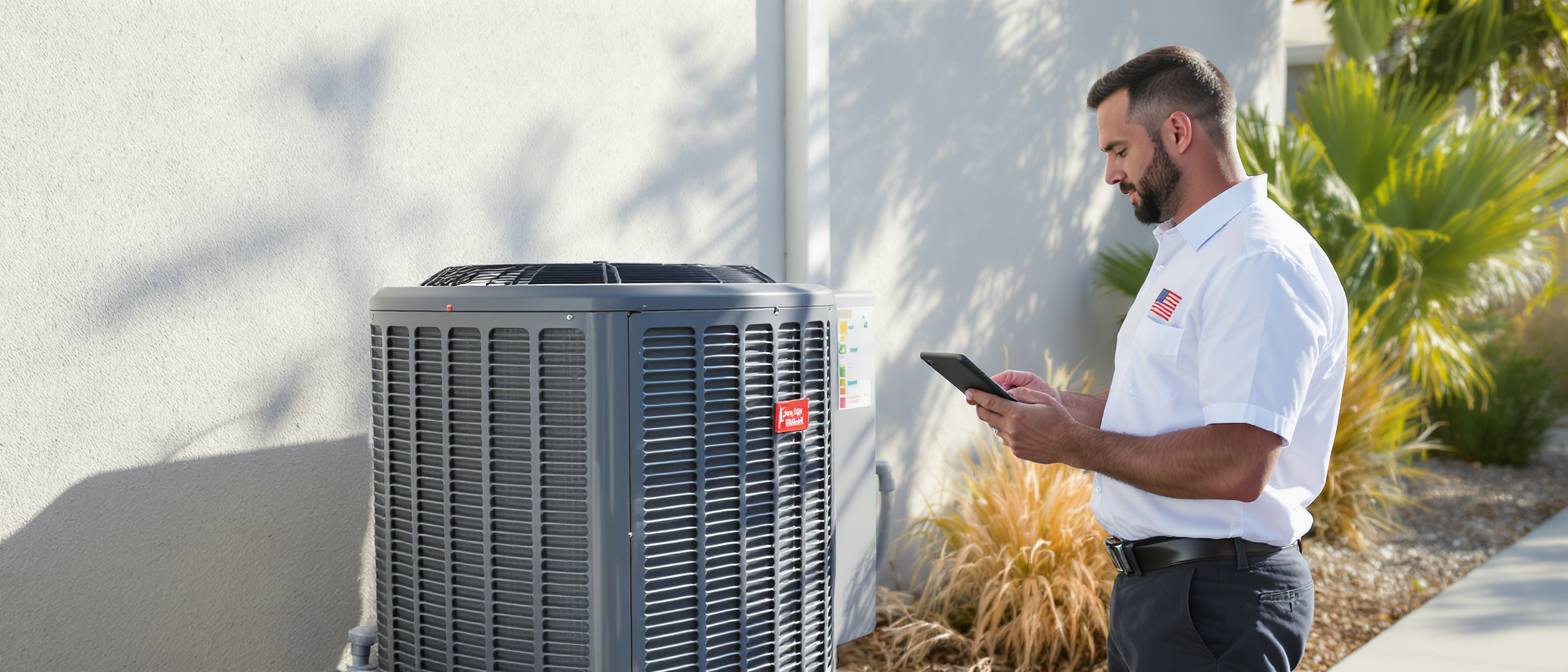
What AC tonnage is right for my home?
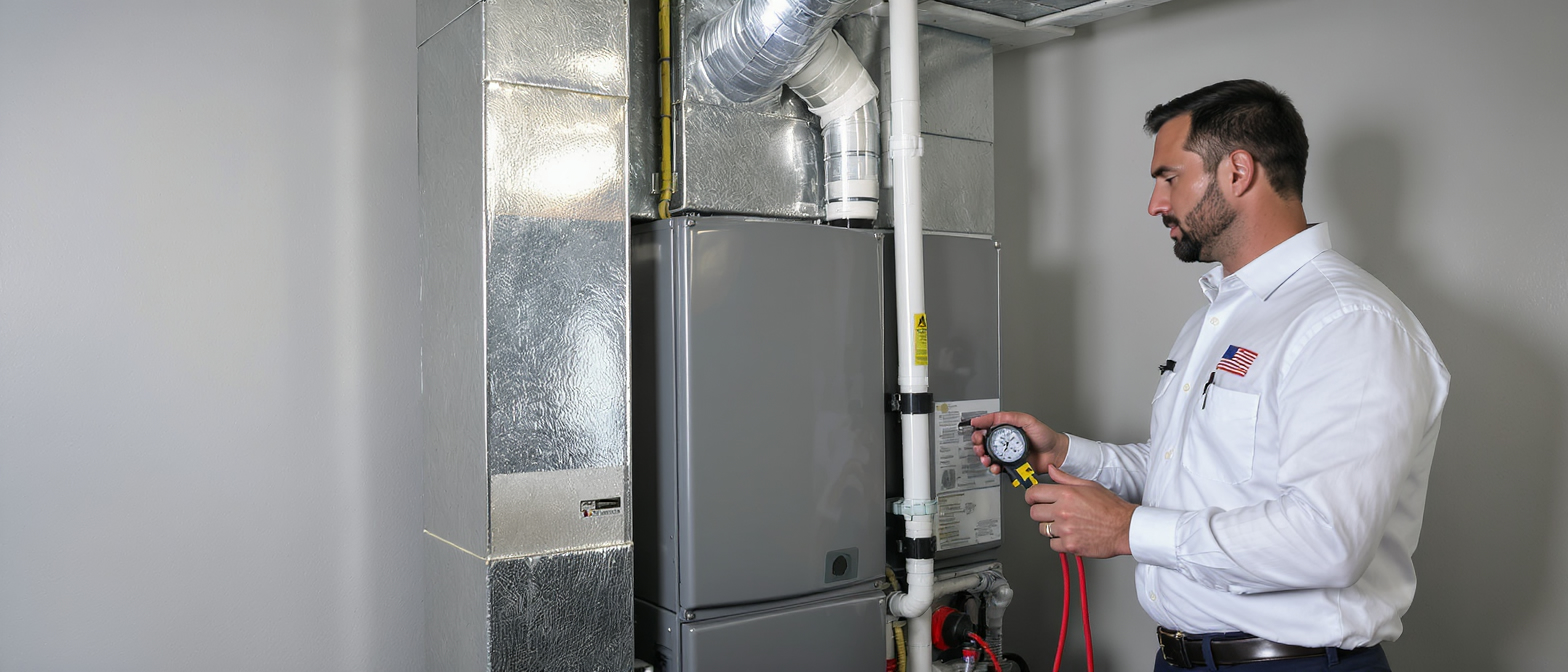
Can I Keep My Existing Ductwork With a New HVAC System?
When you replace an HVAC system, keeping your existing ductwork is possible—but only if testing shows it’s tight, clean, correctly sized, and safe. Modern variable-speed equipment and higher-MERV filtration often need lower static pressure and larger returns than older systems. This guide explains when ducts can stay, when they must be modified or replaced, which tests matter (Manual J/D, static pressure, leakage), and how codes and insurance can influence the decision. Read more below.
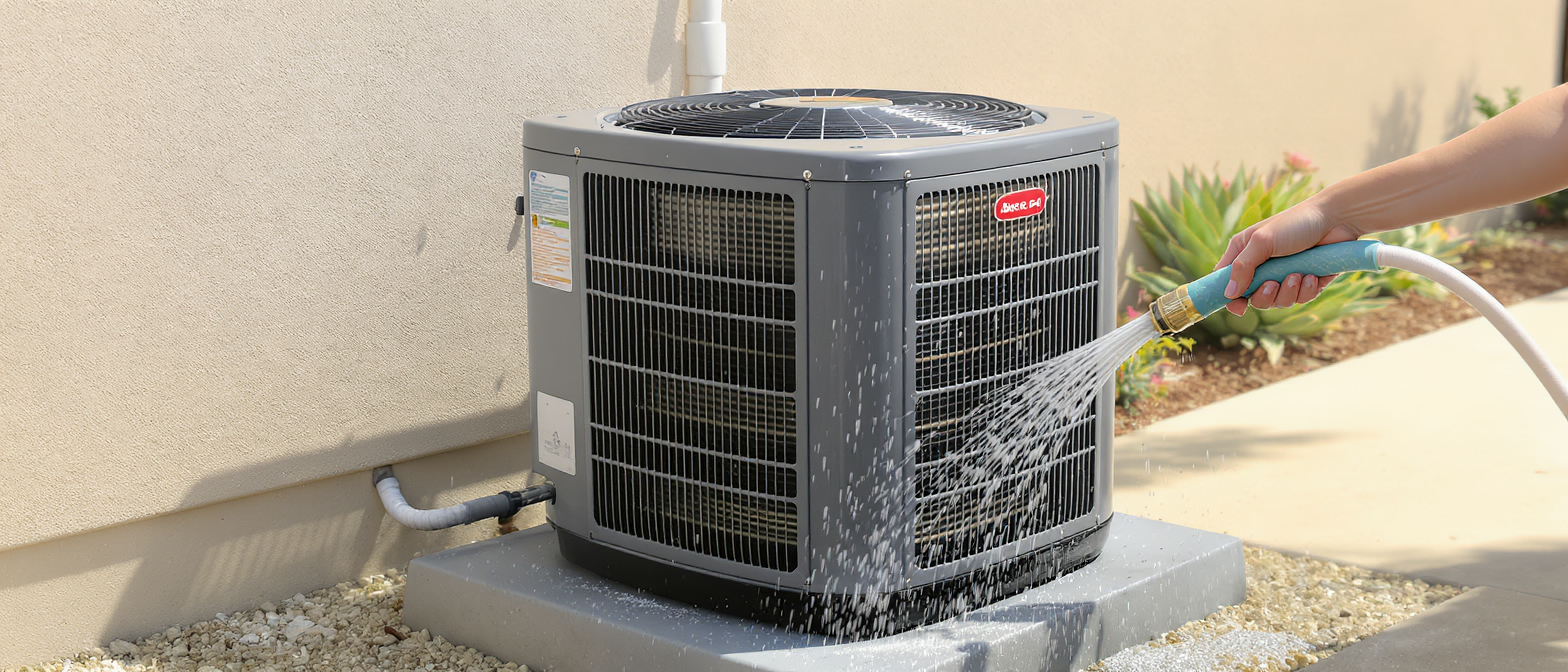
How Often Should I Clean the Outdoor Condenser Coil
Most homes and businesses should inspect the outdoor AC condenser coil monthly during the cooling season, rinse it gently every 1–2 months, and get a thorough professional cleaning at least once a year. In coastal, dusty, high‑pollen, or wildfire‑affected parts of Southern California, deep cleaning twice per year is often warranted. Proper coil care improves efficiency, comfort, and equipment life. For details, considerations, and local factors, read the main section below.
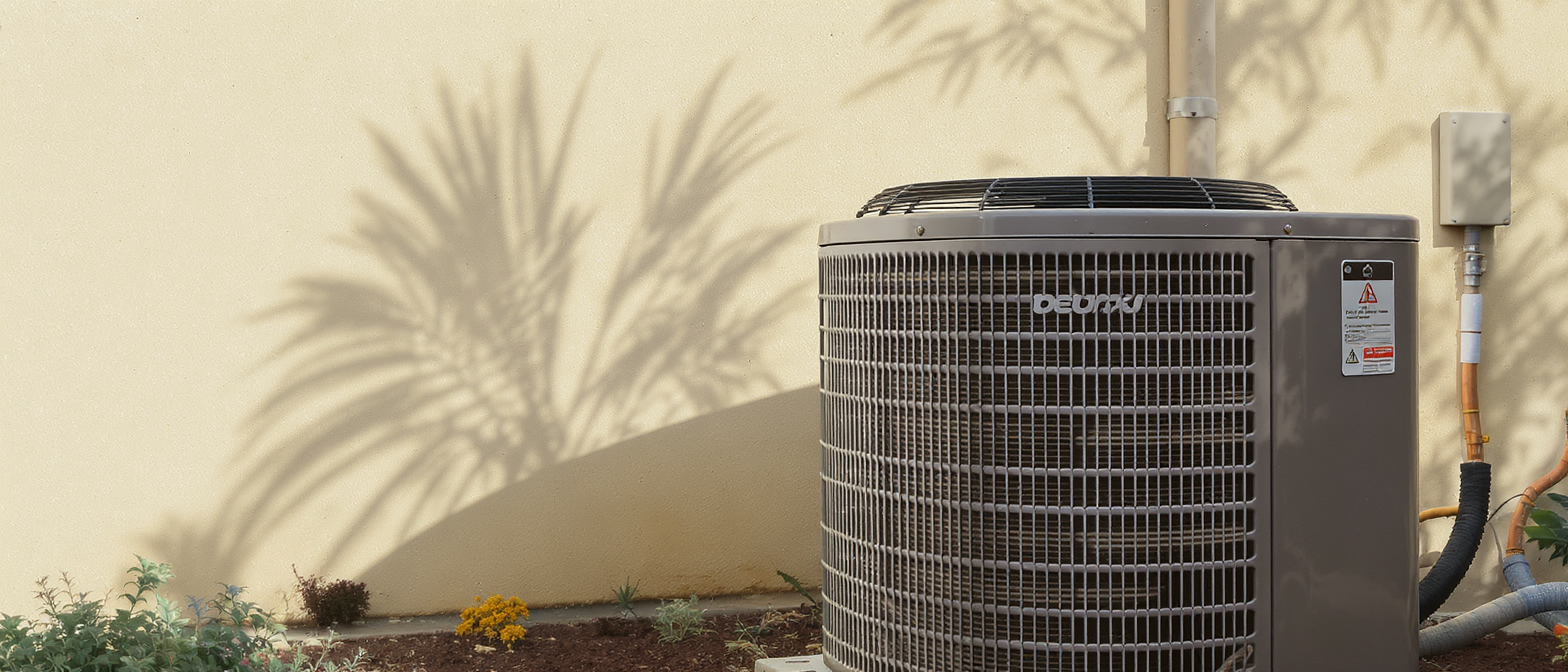
Risks of Skipping Preventative AC Maintenance
Why skipping preventative AC maintenance is riskyPreventative AC maintenance sounds optional until a heat wave exposes what was quietly failing. Skipping air conditioner maintenance drives up energy bills, shortens equipment life, and raises safety and liability concerns. This guide explains HVAC m…
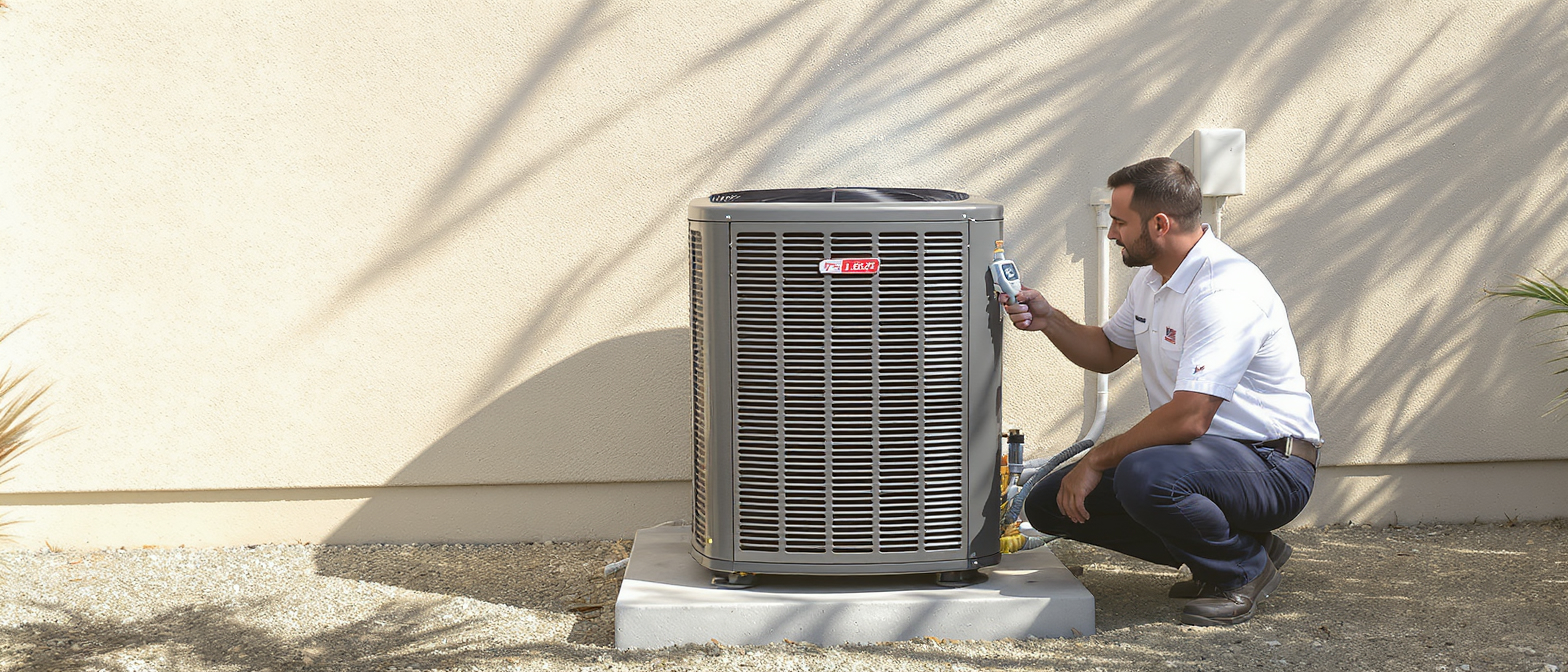
Signs of an Overheating AC Compressor
What overheating means and why it mattersAn overheating AC compressor is a warning that heat is trapped where it should be leaving the system. The compressor’s motor and windings run at high load; when heat is not removed fast enough, internal temperatures spike, oil thins, insulation breaks down, …
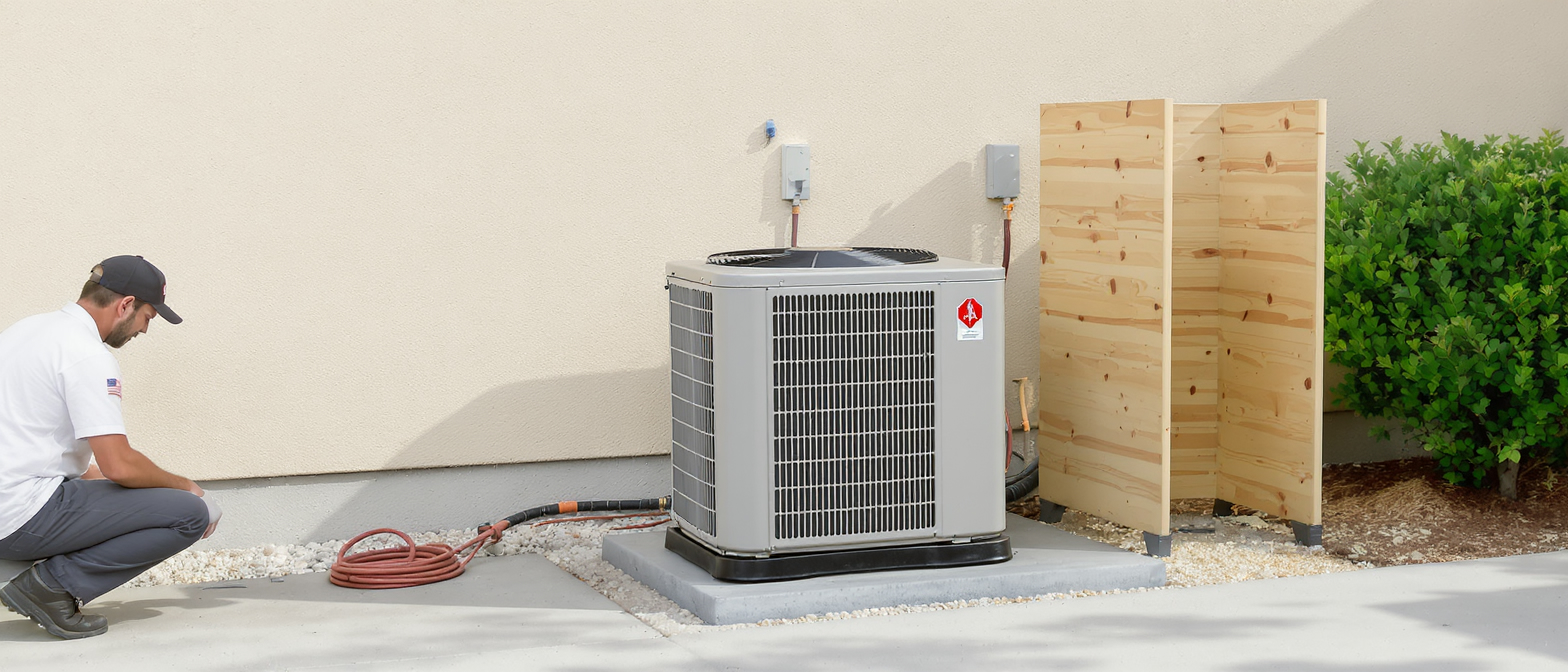
How to Reduce Noise from the Outdoor AC Unit
Why your outdoor AC unit gets loudYour outdoor AC unit (the condenser) makes sound every time the fan and compressor run. Some noise is normal, but rattling, buzzing, humming, clanking, or screeching can point to vibration, airflow restriction, loose hardware, worn bearings, or electrical issues. H…

Best AC brands for Southern California climate
Why the Southern California climate changes how you pick an ACSouthern California blends cool marine layers on the coast with very hot, dry inland heat and sudden Santa Ana winds. Homes in Los Angeles County, Orange County, Ventura County, and Western Riverside County can face 100°F afternoons, sal…